In today's busy world, having a reliable GPS navigation system is pretty much a must for travelers and adventure seekers alike. Industry experts, like John Smith from NavigatePro, really stress how important it is. He once said, “Good navigation can save you a lot of time and avoid the frustration.” That just shows how much we rely on trusted GPS tech to get us where we’re going without headaches.
As technology keeps moving forward, new GPS options pop up all the time. Honestly, it can get kinda overwhelming trying to figure out which one’s right for you. Features like real-time traffic updates or offline maps can make a huge difference, especially when you’re on the road. But still, some folks wonder if those older models are even worth it anymore. Sure, they might do the job for really basic stuff, but they’re missing out on all those fancy features that can really improve your navigation.
Even with all these newer gadgets out there, not every GPS lives up to expectations. Some users have had trouble with accuracy or find it’s not all that easy to use. That’s why it’s so important for companies to keep refining and updating their systems. Nothing’s more frustrating than trusting your GPS and still ending up lost or stressed out. So, choosing the right navigation system really can make a big difference—not just in getting there, but also in how much you enjoy the trip. Ultimately, the perfect GPS can totally change how you experience travel, for the better.
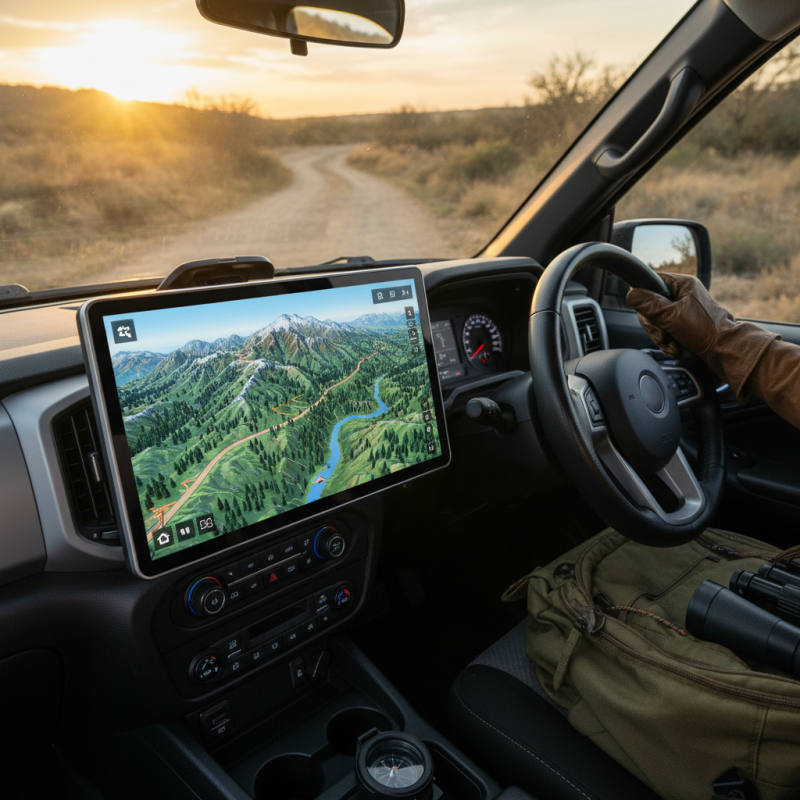
Overview of GPS Navigation Technology and Its Importance
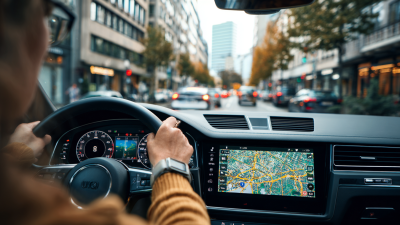
GPS navigation technology has transformed how we travel, offering accuracy and convenience. It uses satellites to pinpoint locations, making it essential for modern navigation. With GPS, finding directions, estimating arrival times, and avoiding traffic become seamless tasks. This technology can guide you through unfamiliar roads, enhancing your travel experience.
Getting the most out of your GPS system requires some knowledge. Here are some tips:
-
Always update your maps. Old maps can lead to detours.
- Customize settings to suit your preferences for the best routes.
-
Lastly, try not to rely solely on Ins Gps Navigation. Always be aware of your surroundings. Sometimes, technology fails.
Understanding the importance of GPS navigation is vital. It isn’t just about getting from point A to B. It can enhance safety and efficiency. However, technology isn't infallible. Occasionally, GPS signals struggle in urban canyons or remote areas. This limitation reminds us to maintain traditional navigation skills, like reading maps. Balancing tech with these skills can help prevent mishaps on the road.
Top Rated GPS Navigation Options for Personal Use
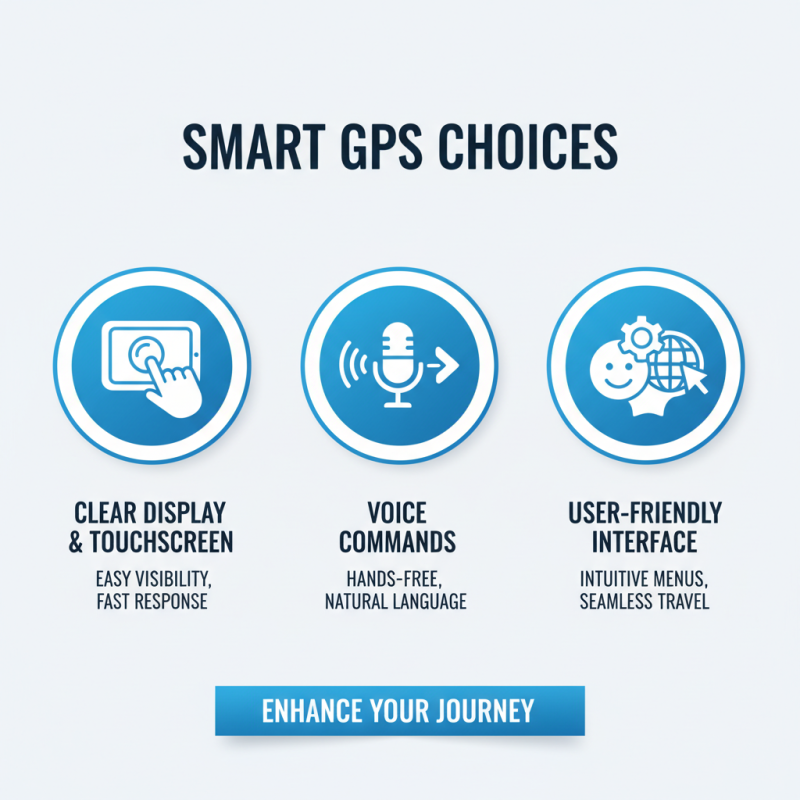
When considering GPS navigation options for personal use, several factors influence the choice. A recent industry report indicates that over 70% of users prioritize accuracy and real-time updates. Features like voice guidance and user-friendly interfaces are crucial for effective navigation. Studies show that devices with real-time traffic data improve efficiency by avoiding congestion, which is essential for time-sensitive trips.
Furthermore, the battery life of GPS devices is often overlooked. Many users report frustration due to devices dying mid-journey. According to surveys, up to 40% of users express dissatisfaction with battery performance. Durability also matters. Devices must withstand diverse weather conditions and accidental drops. A rugged design can extend the life of a navigation device significantly.
While many options exist, not all meet user needs perfectly. Some devices might lack detailed maps for specific regions. Others could be prone to software glitches. Consumers should weigh these factors carefully, as the right GPS can enhance travel experiences. Exploring user reviews can provide insights into both strengths and weaknesses.
Best GPS Devices for Outdoor Activities and Adventure Sports
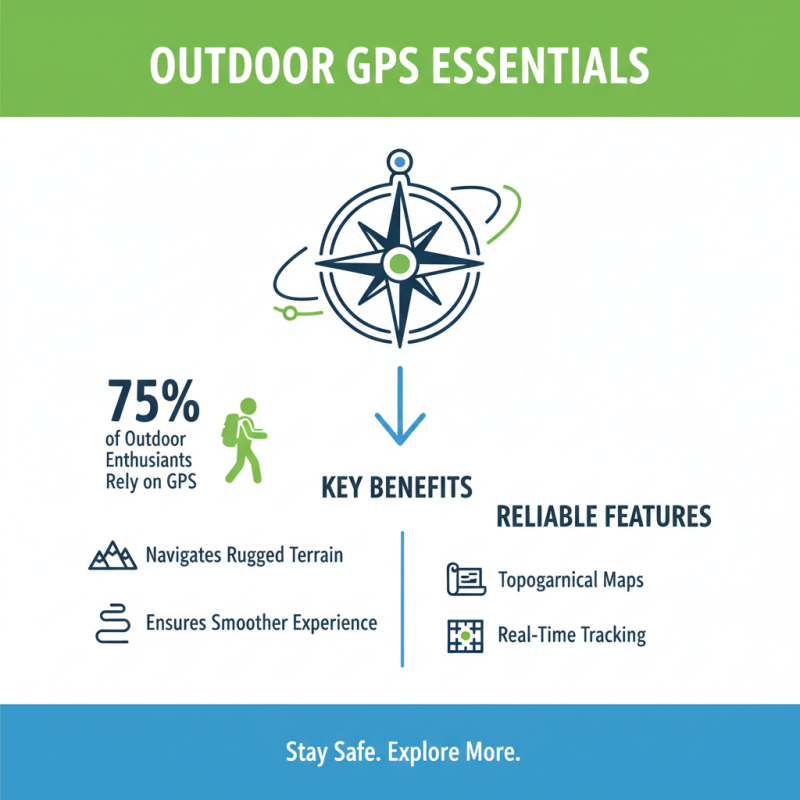
In the world of outdoor activities and adventure sports, finding the right GPS device can make a significant difference. Research indicates that nearly 75% of outdoor enthusiasts rely heavily on GPS navigation tools for safety and navigation. These devices can guide adventurers through rugged terrains, ensuring a smoother experience. Reliable GPS devices often come with features like topographical maps and real-time tracking.
The market is flooded with various units tailored for different adventures. For hiking, a lightweight device with long battery life is crucial. It should withstand harsh weather conditions. Data shows that about 50% of users prefer models with pre-loaded maps. These maps help in plotting routes without requiring a mobile signal. Users often report issues about user interfaces, which can be complex and overwhelming in the field. A simple interface can enhance usability significantly.
For water sports, devices with waterproof ratings are essential. However, some users note that not all GPS units measure accurately in deep water. It can lead to unexpected navigational errors. Combining GPS with mobile applications can sometimes fill gaps, but connectivity issues in remote areas pose challenges. Incorporating physical maps as a backup can enhance reliability and reduce dependency on technology in critical situations.
Popular Smartphone GPS Navigation Apps for Everyday Use
Smartphone GPS navigation apps have transformed how we travel. These apps provide real-time directions, traffic updates, and even alternate routes. Using a smartphone for navigation is convenient. However, it requires a reliable internet connection and accurate GPS. Not every app performs equally well. Some may drain your battery quickly or lack features you need.
When using GPS apps, try to plan your route in advance. This way, you can avoid potential delays. It’s helpful to download maps for offline use, especially in areas with poor signal. Consider your style of driving too. Some apps cater to those who like scenic routes, while others focus on speed and efficiency. Explore what fits you best.
Remember, using Gps Aided Ins can enhance your experience. It's a great way to remain aware of your surroundings. Yet, don't rely solely on technology. Take time to observe road signs and changes in the environment. A balance between gadgets and your own instincts can make navigation even more enjoyable.
Comparative Analysis of GPS Navigation Systems: Pros and Cons
When considering GPS navigation systems, it's essential to weigh the pros and cons. Some options are easy to use. They offer intuitive interfaces and clear directions. However, many systems rely heavily on cell data. This dependence can be a downside in rural areas with poor reception.
Another point to consider is the accuracy of these devices. Some systems provide real-time traffic updates. This helps avoid congested routes. Yet, inaccuracies can still occur, leading users astray. Frustration mounts when the wrong turn is taken. Some devices may also have outdated maps. Regular updates are vital, but not all systems ensure this.
Battery life varies significantly among GPS options. Some models drain quickly during long trips. Travelers often find themselves rushing to recharge. Meanwhile, others have robust battery performance. It's crucial to choose a system that fits your travel needs. Personal experiences with these devices can be mixed. What works well for one person might not for another. Balancing features, costs, and reliability requires careful thought.
Future Trends in GPS Navigation Technology and Innovations
The future of GPS navigation technology is bright and promising. Innovations are making systems smarter and more user-friendly. Compact and accurate devices are essential for seamless navigation. Users can expect to see improvements in real-time traffic updates. Enhanced connectivity options are also on the horizon. These features aim to simplify navigation tasks significantly. Imagine a day when your GPS knows your preferences and suggests routes based on your habits.
Developers are focusing on Embedded Gps Ins technology. This integration allows for more precise positioning and faster updates. It enhances user experiences while driving, walking, or cycling. Users should look for updates regularly. Keeping software current can improve performance. Also, feedback from users can lead to better features. Developers thrive on constructive criticism.
As technology evolves, so does user behavior. Awareness of privacy concerns is essential. Many users may not realize how their data is used. It's crucial to understand privacy settings. Sharing location data can come with risks. Always prioritize personal information when using GPS services. Embrace the advancements, but do so mindfully.
Conclusion
In today's technology-driven world, Ins GPS navigation systems play a crucial role in enhancing travel experiences by providing accurate and real-time location information. Understanding the key features to look for in GPS devices, such as user-friendly interfaces, detailed maps, and robust connectivity options, is essential for both personal and outdoor activities. The top-rated GPS navigation options cater to various needs, from daily commuting to adventure sports, ensuring that users can efficiently plan their routes and avoid potential hazards.
As the demand for reliable navigation continues to rise, a comparative analysis of different systems reveals their unique advantages and disadvantages. Moreover, the growing trend of smartphone GPS navigation apps signifies a shift towards more accessible navigation solutions for everyday users. Future innovations in Ins GPS navigation technology promise even greater accuracy and functionality, paving the way for exciting developments in how we navigate our world.

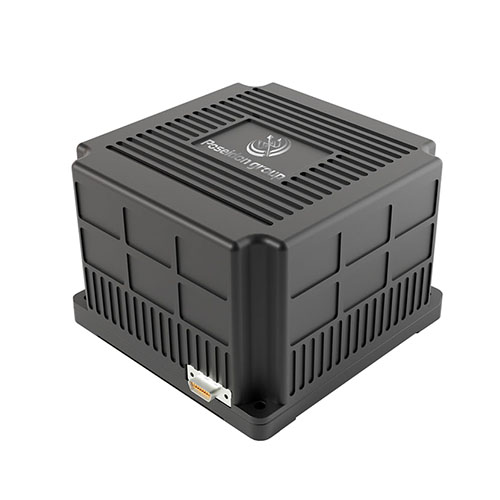 TBSD60
 BSD120
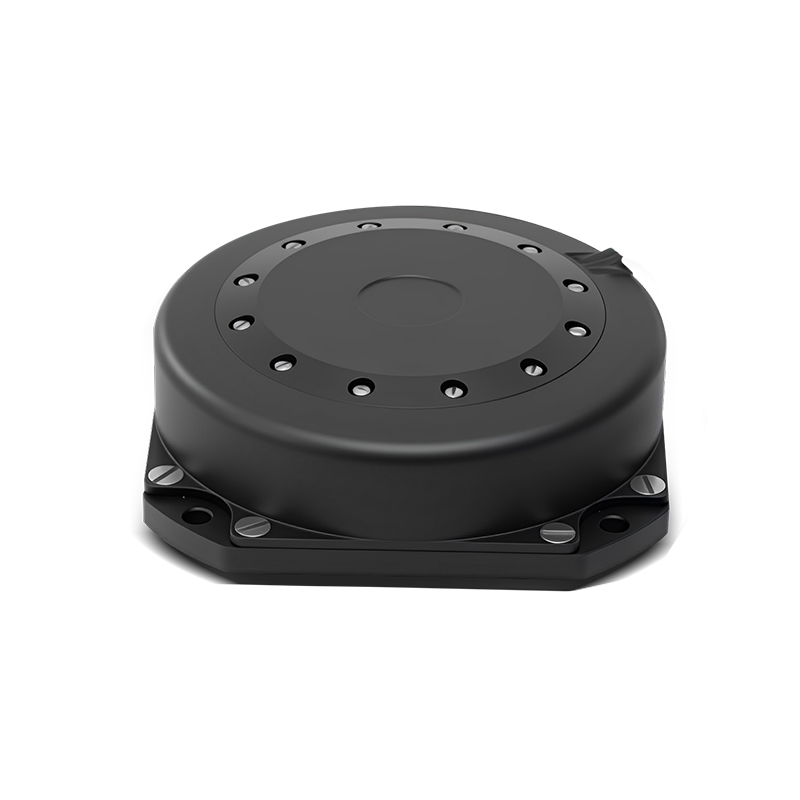 BSD98
BSD98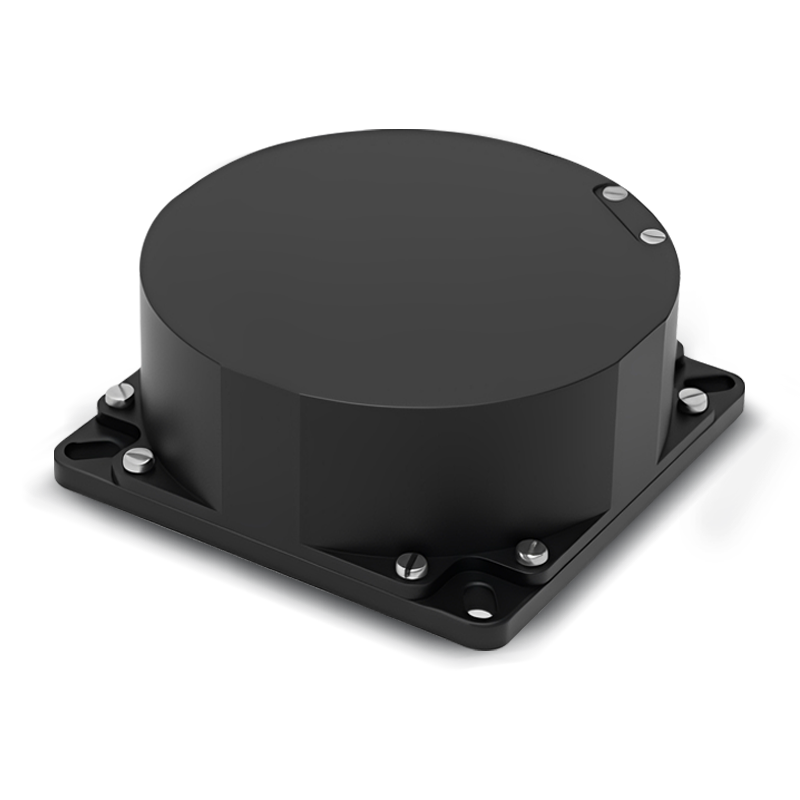 BSD70
BSD70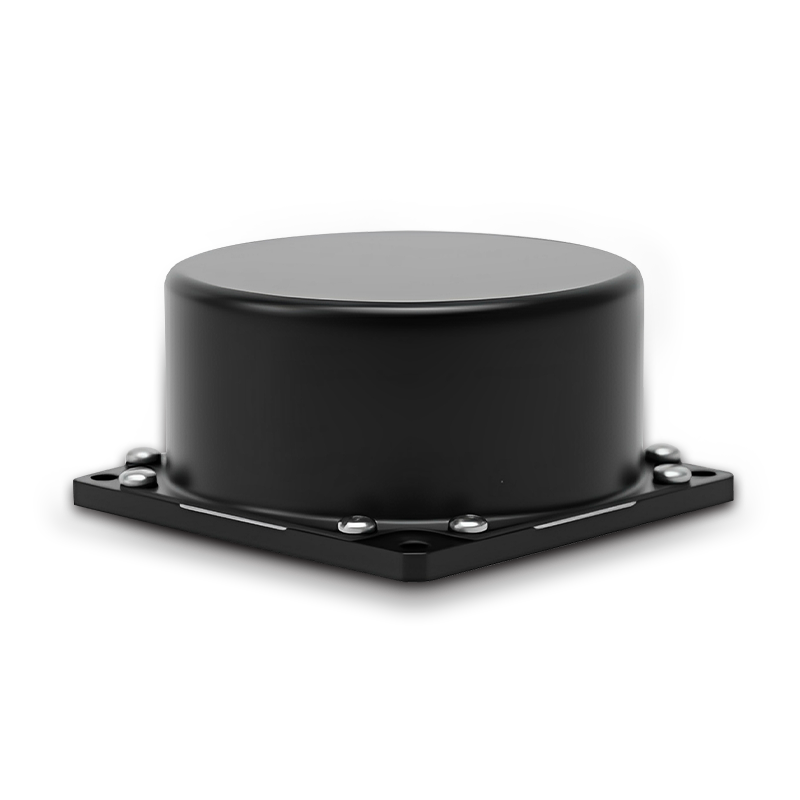 BSD60
BSD60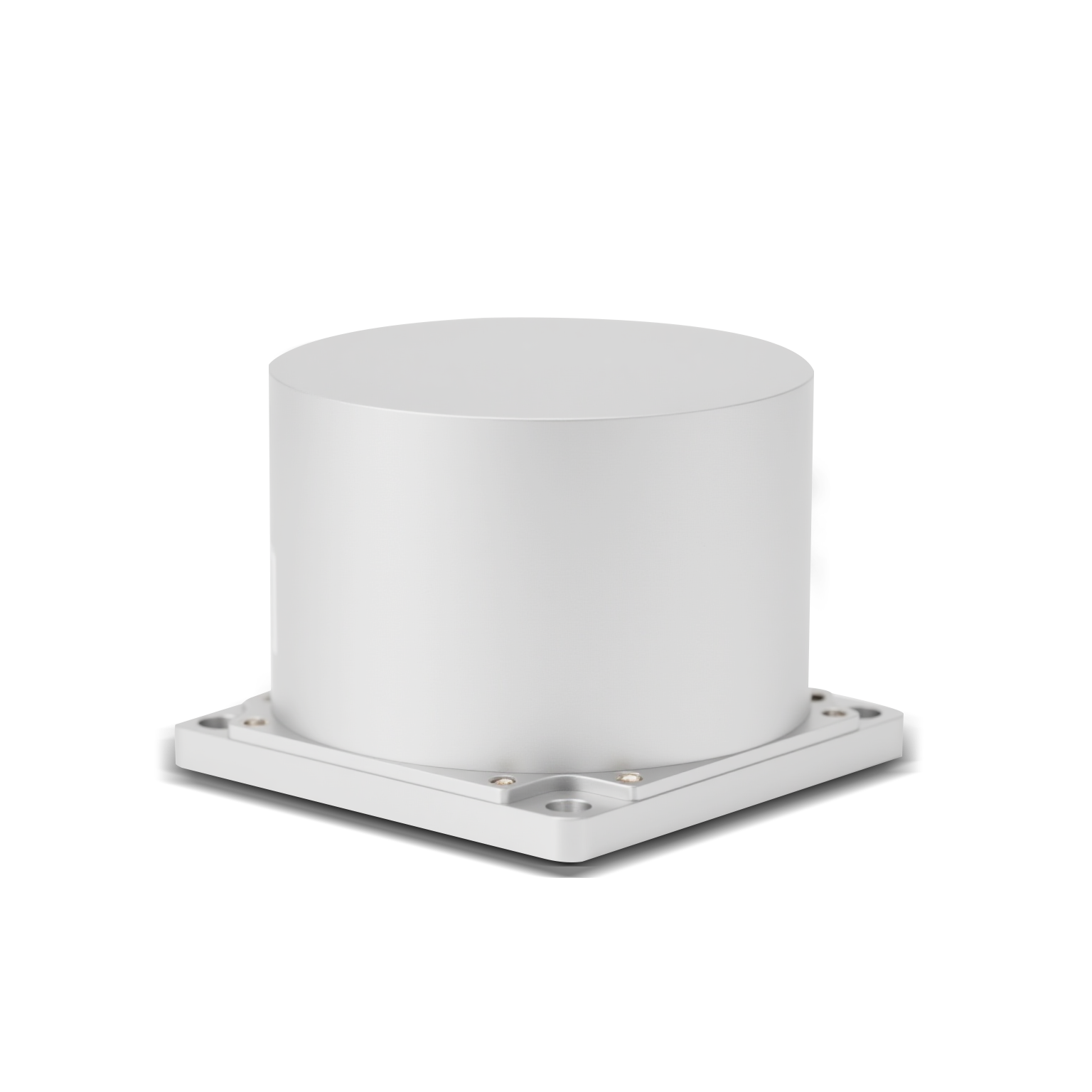 BSD50
BSD50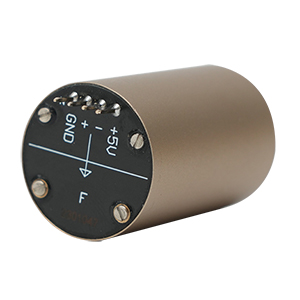 BSD217
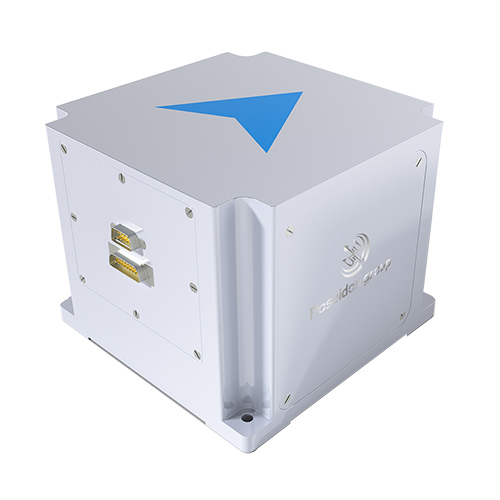 INS1700
 INS970
 INS570
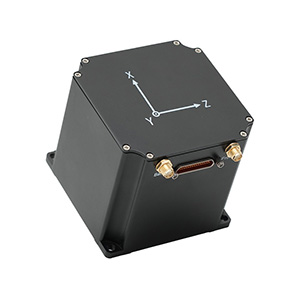 INS170
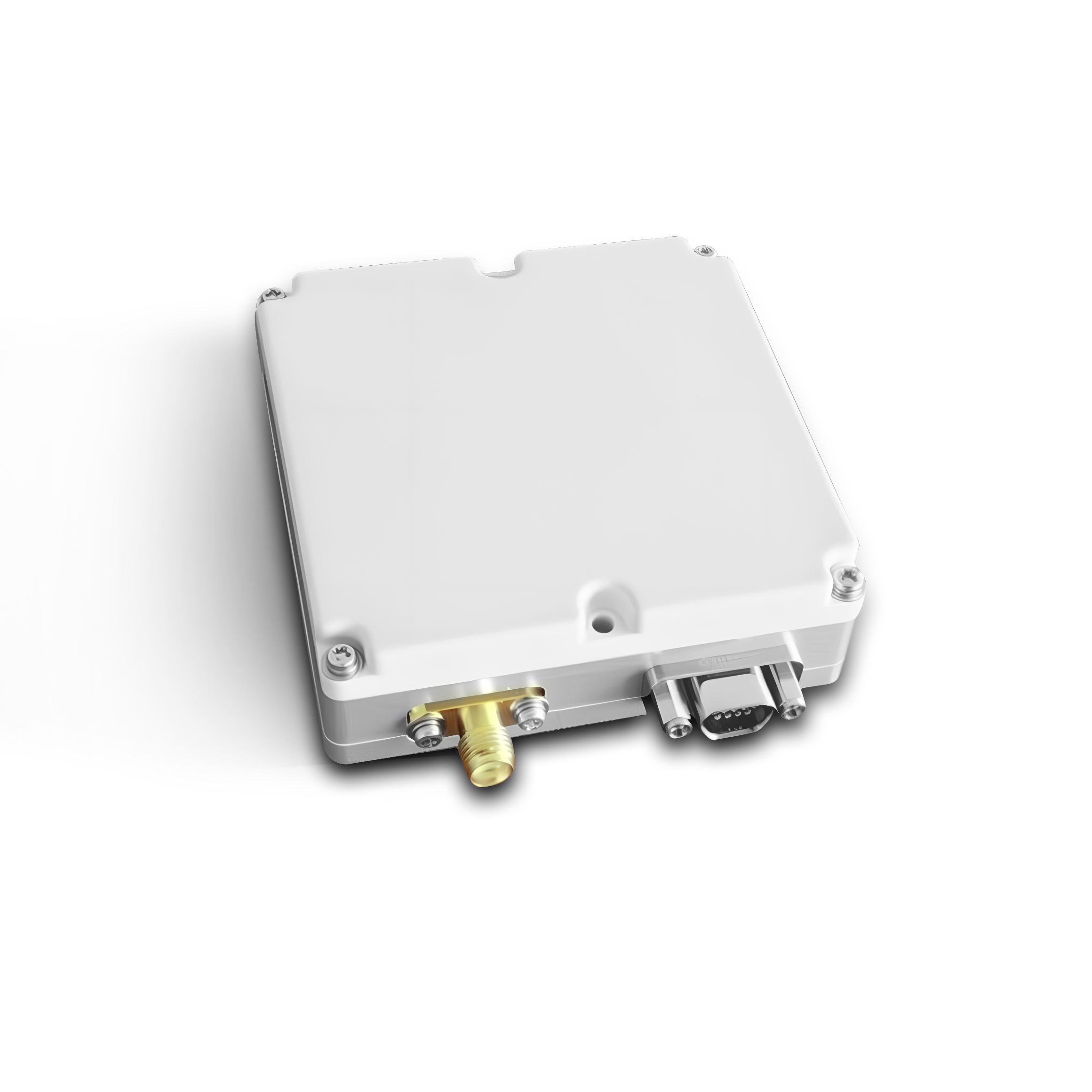 SLA-4B1L1-65
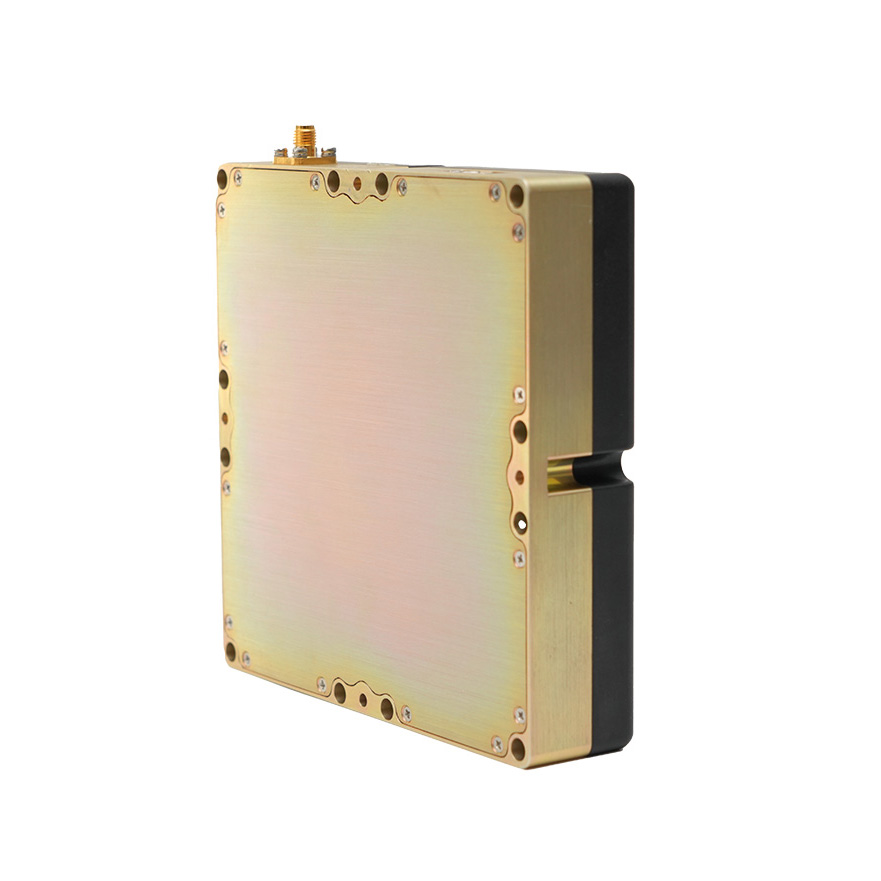 SLA-4B1L1-130
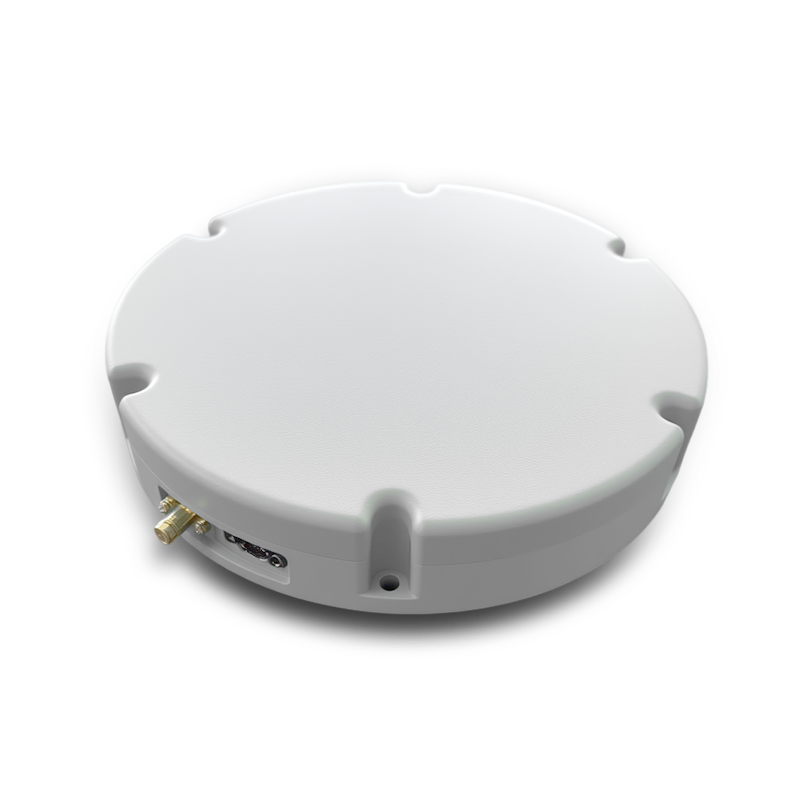 SLA-8B1L1-165
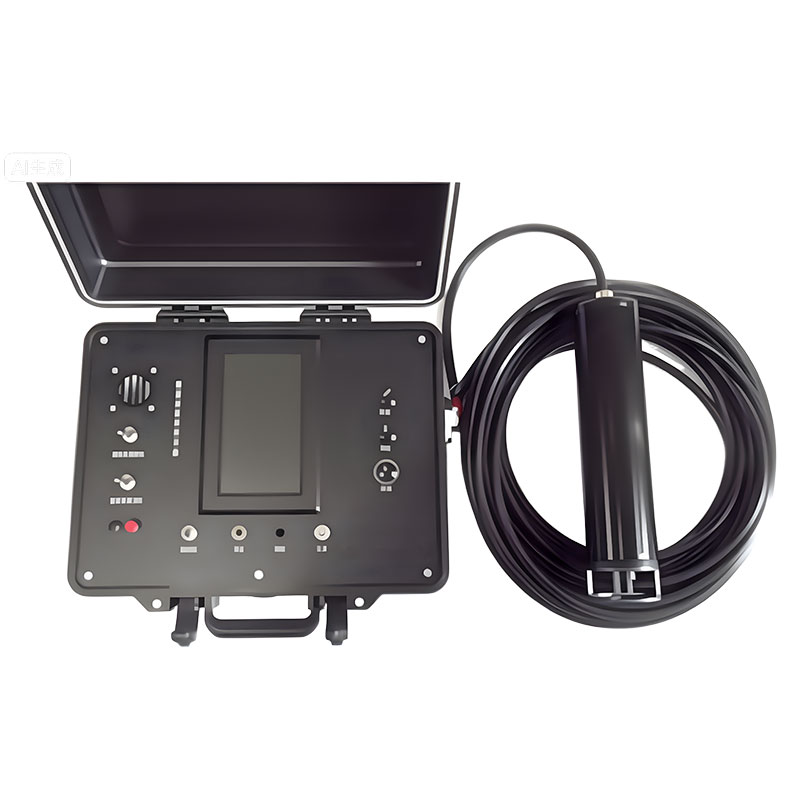 DIVER 101
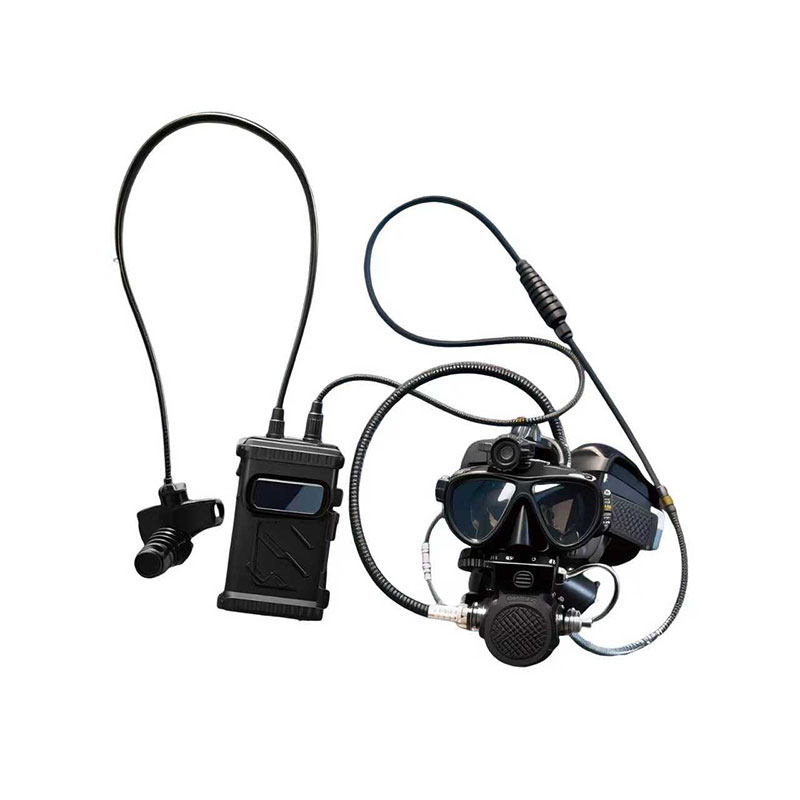 DIVER 102
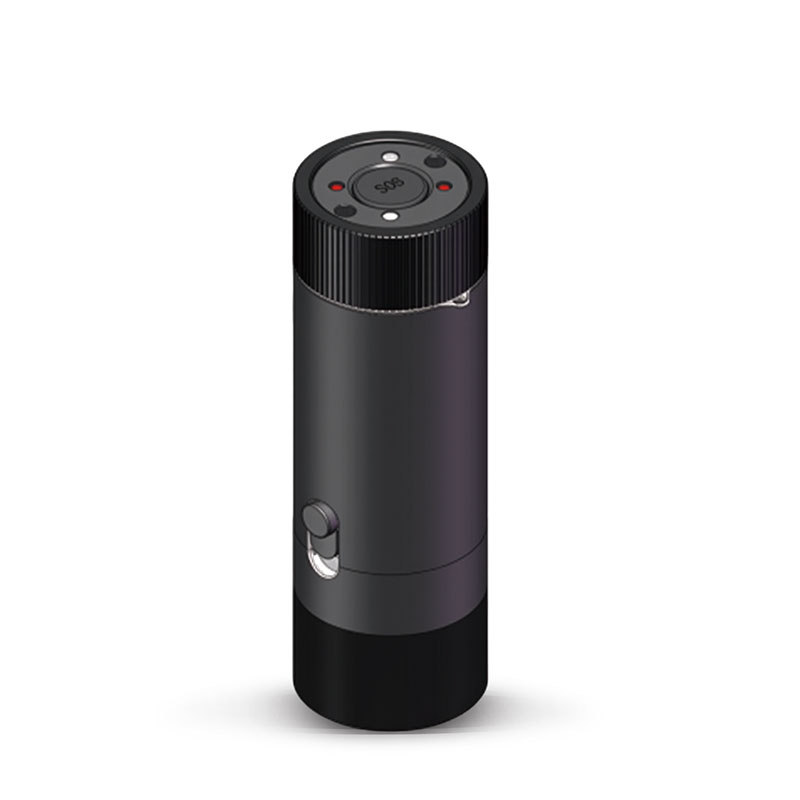 DIVER 103
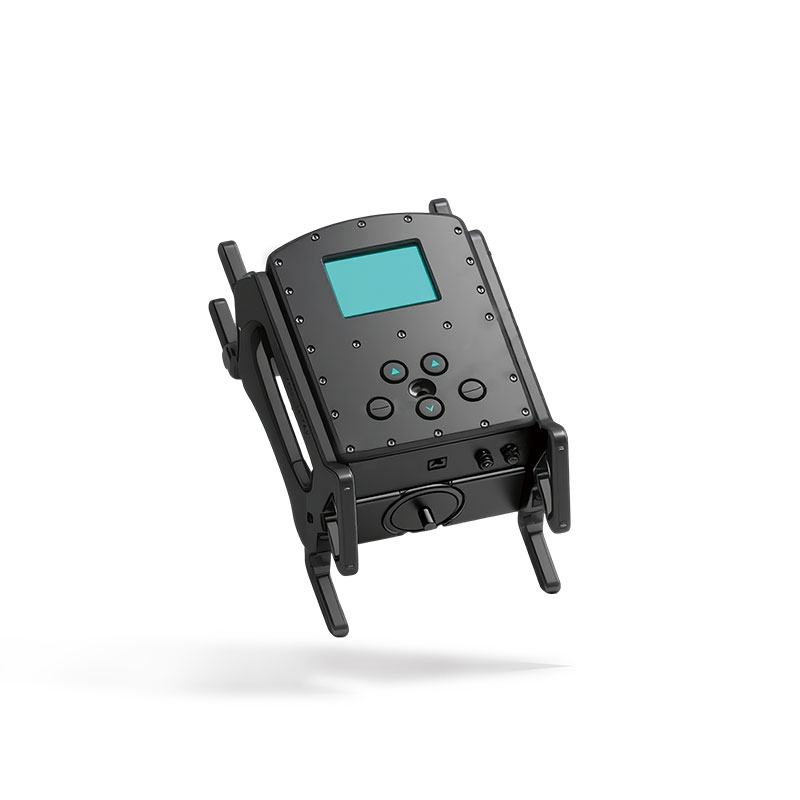 DIVER 104
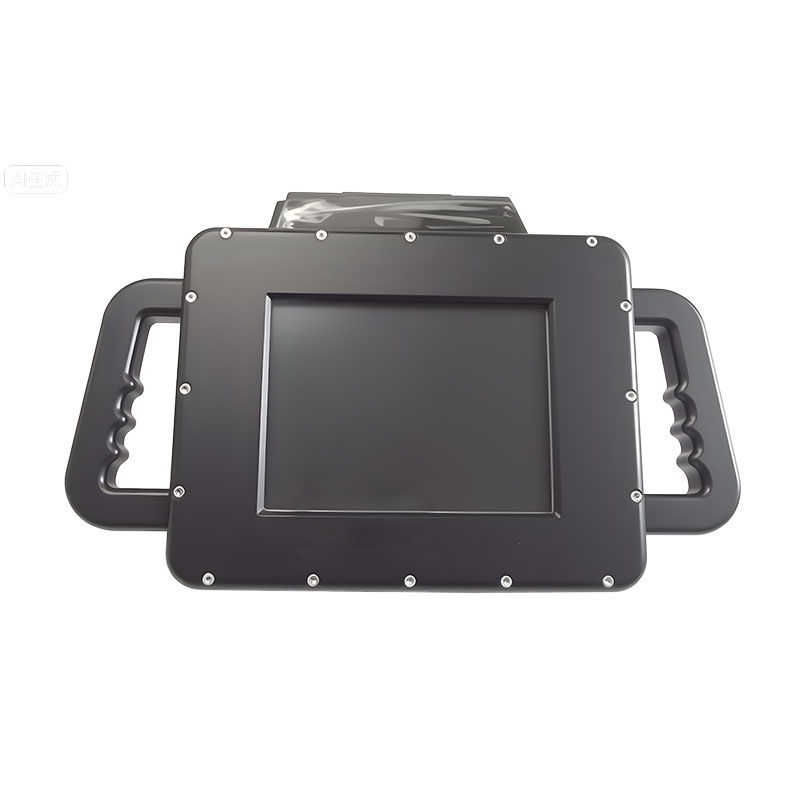 DIVER 105
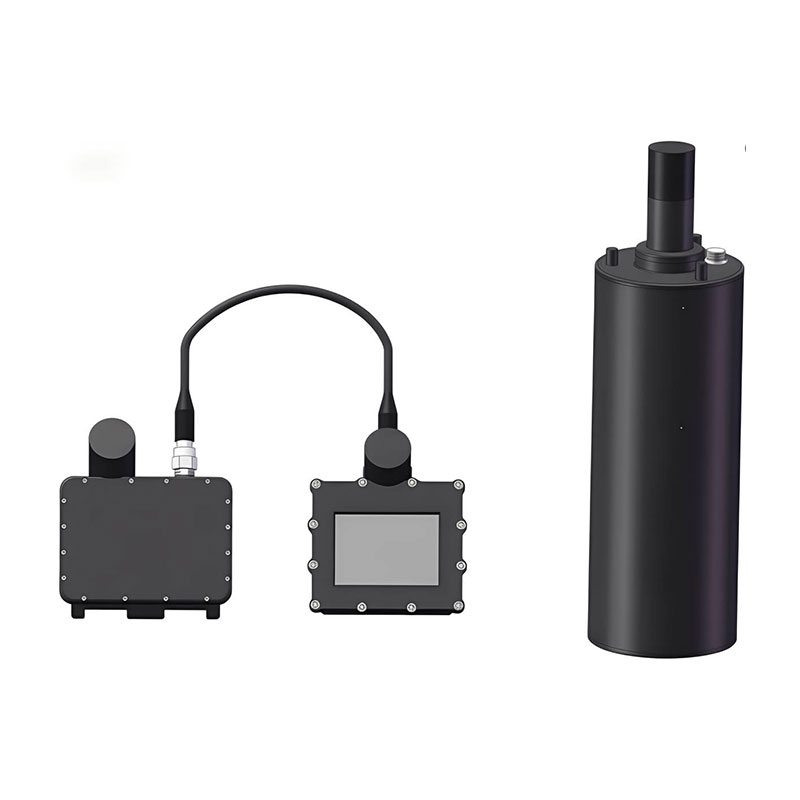 DIVER 106
 SLLR3000
 SLLR905
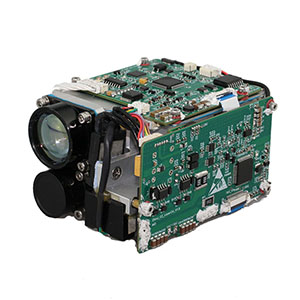 SLLD25
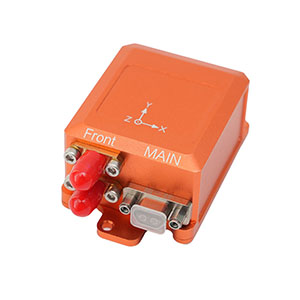 160M
160M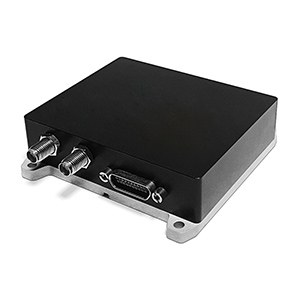 170M
170M SLFC-70
 SLAF280
 MR360
MR360